
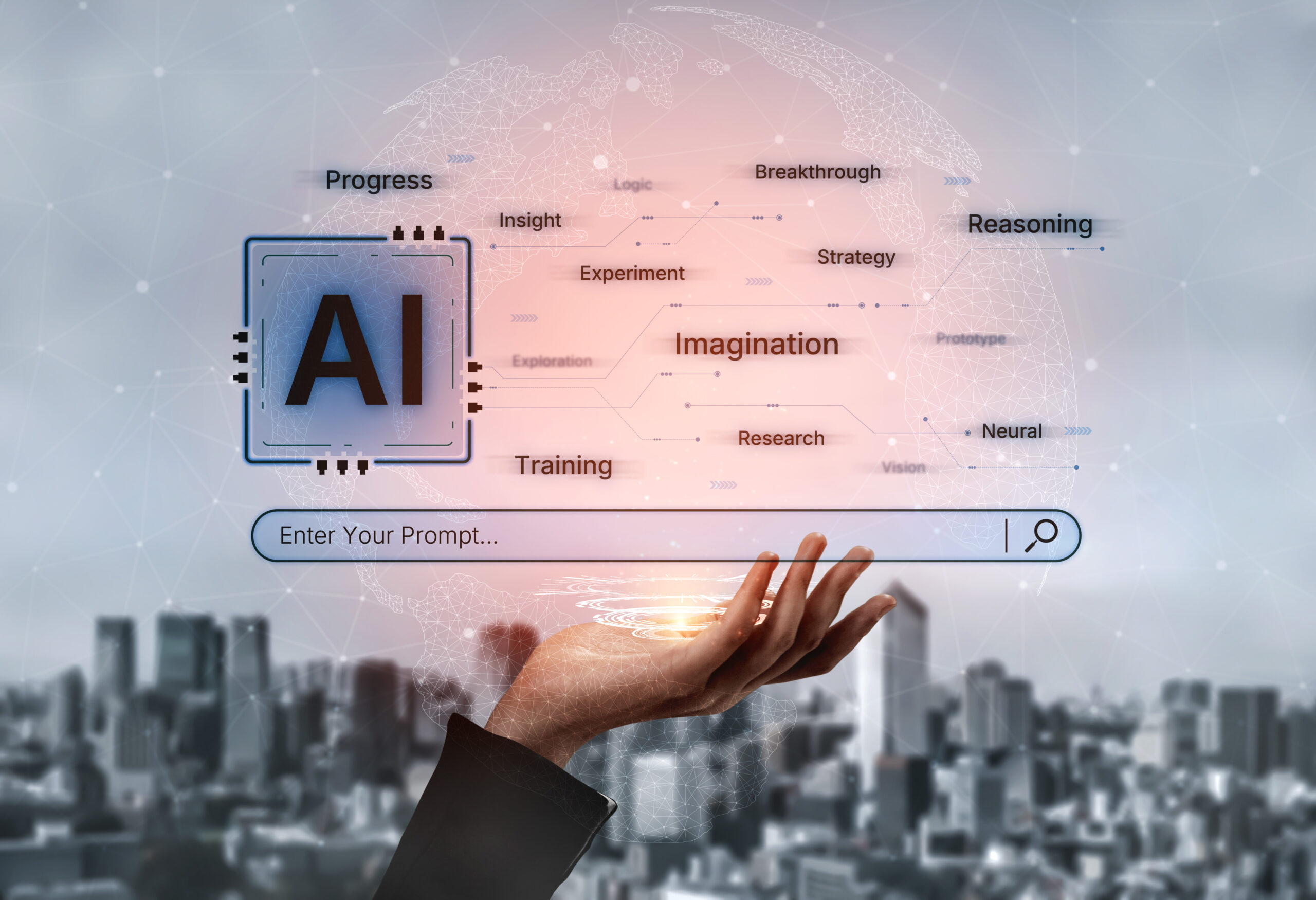
Modern automation drives workflow efficiency by connecting systems, people, and data. With intelligent automation, businesses unlock potential through seamless integration and automation tools. Spline
AI marketing has become a standard investment for growing businesses. Automation platforms promise faster responses, better targeting, and smarter use of data. Yet many companies adopt these tools and still struggle to earn attention or trust. Campaigns run smoothly, dashboards look impressive, and engagement remains flat. The issue is rarely the technology itself. It is the absence of a clear story guiding the automation.
Here’s why storytelling gives AI marketing its direction, how narrative structure improves performance, and why automation works best when it supports a message people recognize and care about.
AI Can Scale Messages, Not Meaning
AI performs well when speed and consistency matter. It can send emails, publish social content, score leads, and manage funnels efficiently. What it cannot do on its own is create meaning. Without a defined narrative, automation pushes out disconnected messages that feel transactional rather than relevant.
When businesses automate without a story, engagement stays low even as activity increases. Leads move through funnels but stall before converting, and audiences skim content without forming a connection. AI moves information effectively, but storytelling gives that information purpose.
Storytelling Turns Data Into Direction
Strong marketing stories follow a clear structure. There is a problem to solve, a path forward, and a meaningful outcome. This structure gives context to every interaction, whether it appears on a landing page, in a podcast episode, or inside an automated email sequence.
When storytelling is treated as a system rather than a creative exercise, businesses gain clarity before automation begins. Guided questions and proven narrative frameworks help shape the message early, keeping marketing aligned and preventing technology from working in isolation.
At the center of this process are three essentials. The customer remains the central figure, while the brand acts as a guide rather than the hero. The real conflict the customer faces is named clearly, whether it involves inefficiency, uncertainty, or lack of trust. Finally, the desired outcome is defined so automation reinforces a consistent vision of success across every touchpoint.
Why Automation Without Story Feels Robotic
Automation often breaks down when it relies only on triggers and timing. Messages respond to behavior but lack continuity, which makes each interaction feel isolated. Storytelling acts as the connecting thread that brings those interactions together.
When narrative guides automation, emails feel like part of a sequence rather than reminders. Funnels feel intentional instead of aggressive. Content builds familiarity instead of chasing clicks. With a clear story in place, AI supports communication rather than replacing it.
Storytelling as a Measurable Growth Layer
Storytelling is often treated as instinct, but it can be evaluated. By examining clarity, consistency, and alignment across digital channels, businesses can see how well their narrative supports audience growth and engagement.
This type of assessment helps guide how automation, podcasts, content, and advertising work together. The focus is not on producing more content, but on aligning the message and delivery so every channel reinforces the same story.
Bringing Story and AI Together
The strongest AI marketing systems combine narrative clarity with operational insight. A business-level diagnostic can reveal where communication breaks down. Storytelling frameworks clarify what needs to be said. Automation then delivers that message consistently across channels, turning technology into a coordinated system rather than a collection of tools.
Next Step
AI marketing struggles when it operates without direction. When businesses define their story before they automate, every message feels more intentional and easier to trust.
For leaders ready to align storytelling with automation, we at Cast Iron Daddy help uncover the story already being told, identify where it breaks down, and build systems that scale it with purpose. Reach out today!