
Home service companies can use podcasting to become the trusted voice in their local market. A well-run podcast helps contractors answer customer questions, explain complex services in simple terms, and stay visible long before a homeowner needs help. In competitive areas like New York City, podcasting also creates stronger brand recognition without depending only on paid ads.
Many contractors already know their trade well. The problem is visibility. Homeowners often choose the business they recognize first, even before comparing prices. Podcasting gives roofing companies, HVAC contractors, remodelers, electricians, plumbers, and landscapers a direct way to build familiarity and trust at scale.
Why Are More Home Service Brands Starting Podcasts?
Podcasting gives contractors a long-form platform to explain their work clearly. Short social posts rarely allow enough space to build trust, especially for high-ticket services like roofing, remodeling, or foundation repair.
A podcast lets a business show its experience in a practical way. Instead of saying “we are experts,” contractors can discuss common repair mistakes, explain permit requirements, or walk listeners through seasonal maintenance steps. That type of content sounds useful instead of promotional.
This matters because most homeowners search for help only when a problem becomes urgent. A podcast keeps a business top-of-mind before that moment happens.
Several home service brands are also realizing that podcast episodes can fuel multiple marketing channels at once. One recorded conversation can become:
- Short social clips
- Blog content
- Email newsletters
- FAQ pages
- Google Business Profile updates
- YouTube videos
That gives contractors more visibility without creating fresh content every day.
What Makes Podcasting Effective for Local Market Authority?
Local authority comes from familiarity, consistency, and credibility. Podcasting supports all three at the same time.
When homeowners repeatedly hear a contractor discussing local weather issues, seasonal maintenance, housing trends, or neighborhood-specific repair concerns, the company becomes associated with reliability. This repeated exposure matters more than polished advertising.
For example, a contractor serving older homes in New York City could record episodes about:
- Common plumbing issues in pre-war buildings
- Electrical upgrades are required for older panels
- Roofing wear caused by the Northeast winters
- Mold prevention in basement apartments
These topics feel directly relevant to local homeowners. Search engines also favor location-specific educational content because it aligns with real user intent.
Podcasting also creates a “borrowed trust” effect. When contractors interview local inspectors, suppliers, real estate agents, architects, or property managers, listeners begin viewing the company as connected and credible within the local industry.
Which Podcast Topics Actually Bring Leads for Contractors?
The best contractor podcasts focus on customer problems, not company achievements. Homeowners care more about avoiding costly mistakes than hearing a business describe itself.
Episodes that usually perform well include practical and timely topics.
How Can Contractors Answer Questions Customers Already Ask?
This is often the easiest starting point. Every contractor hears similar questions every week. Those questions can become podcast episodes.
A plumbing company might cover:
- Why does the water pressure suddenly drop
- Signs of hidden pipe leaks
- When repiping becomes necessary
- How to prevent frozen pipes
An HVAC contractor could discuss:
- Reasons an AC freezes
- How often should filters be changed
- What causes uneven cooling
- Warning signs before system failure
These episodes match real search behavior. Many homeowners type the same questions into Google before calling anyone.
Why Do “Behind the Scenes” Episodes Build Trust Faster?
Homeowners rarely understand what happens during a project. That uncertainty creates hesitation.
A contractor who explains timelines, permit steps, inspection requirements, material choices, and pricing factors reduces fear. This transparency can separate one company from competitors that communicate poorly.
Episodes explaining:
- Why certain repairs cost more
- What delays projects
- How crews prepare job sites
- What homeowners should expect during installation
often create stronger conversion rates because they remove uncertainty before the sales call.
Should Contractors Cover Local Community Topics?
Yes. Local relevance strengthens market authority.
Contractors can discuss:
- Storm preparation in New York neighborhoods
- Seasonal maintenance checklists
- Local housing trends
- Building code changes
- Insurance claim processes after weather damage
This type of content connects the brand to the community instead of sounding generic.
How Often Should a Contractor Release Podcast Episodes?
Consistency matters more than volume. A weekly or biweekly schedule usually works best for home service businesses.
Many contractors fail because they try to produce too much content too quickly. A realistic schedule creates better long-term results.
A 20-minute weekly episode is often enough to:
- Stay active in search results
- Build audience familiarity
- Create reusable marketing assets
- Support local SEO efforts
Batch recording can also simplify production. Some companies record four episodes in one afternoon, then release them throughout the month.
The key is maintaining a reliable publishing rhythm. Irregular posting makes podcasts harder to grow.
What Equipment Do Contractors Actually Need to Start?
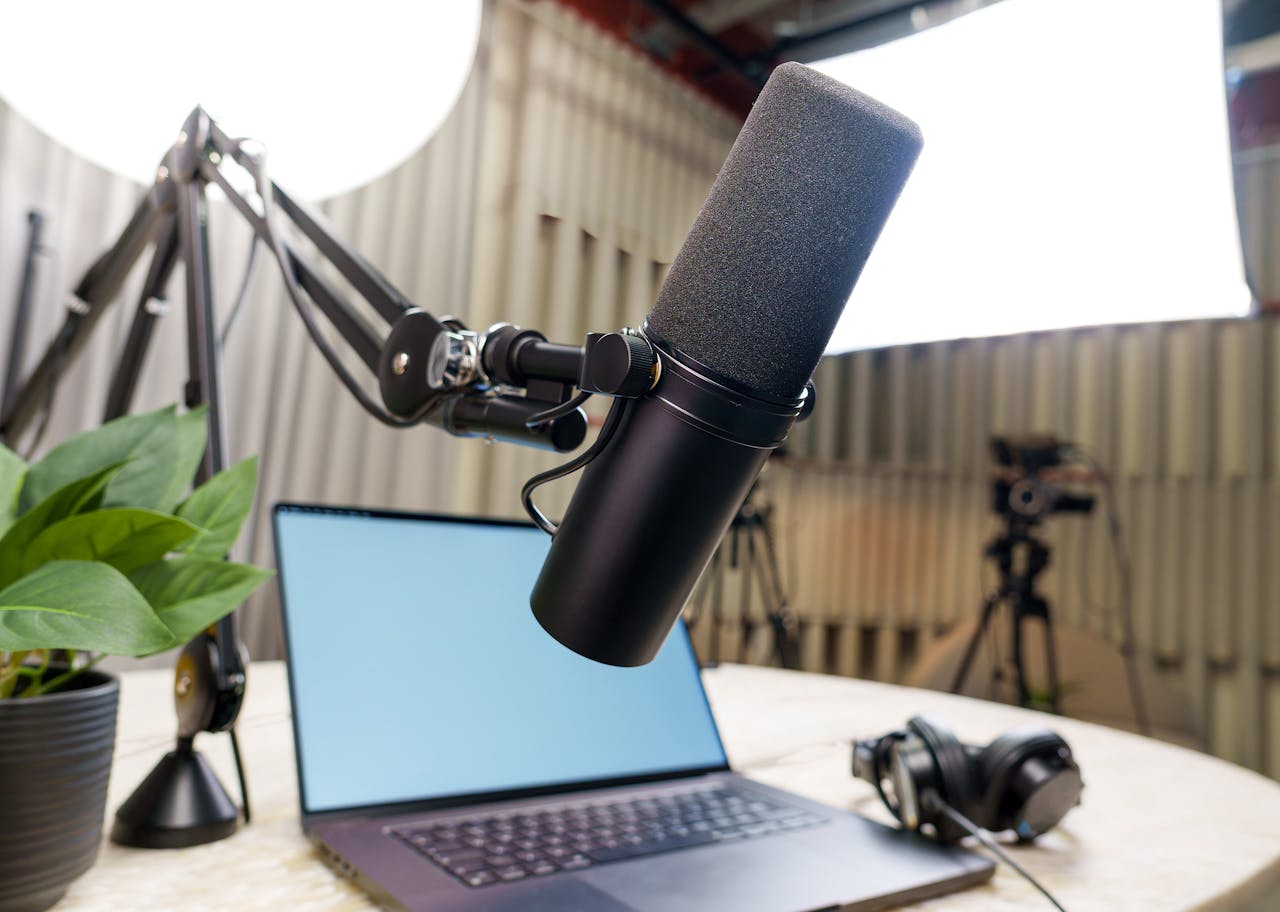
A professional contractor podcast does not require a full studio. Audio clarity matters more than expensive equipment.
Most home service brands can start with:
- A quality USB microphone
- Basic lighting for video clips
- Quiet recording space
- Simple editing software
The larger investment is usually planning and consistency rather than hardware.
Contractors should also avoid one common mistake: focusing too much on perfection. Many listeners care more about useful information than polished production.
How Does Podcasting Help Local SEO?
Podcasting creates several SEO advantages that many contractors overlook.
Search engines want detailed, useful content that answers real questions. Podcast episodes naturally produce that kind of material.
When each episode includes:
- A keyword-focused title
- Local service references
- A written transcript
- Supporting blog content
- Internal website links
The business builds more searchable content around its services.
For example, an episode titled “How to Prevent Roof Leaks During New York Winters” can rank for multiple local search terms connected to roofing issues.
Podcast transcripts also increase keyword coverage without forcing unnatural phrases into blogs.
Another advantage comes from branded search growth. As more people hear the podcast, they begin searching the company name directly. Search engines often interpret branded searches as a trust signal.
Why Do Video Podcasts Work Especially Well for Home Services?
Video increases trust because homeowners can see the people behind the company.
This matters for industries where customers allow crews into their homes. Visual familiarity lowers hesitation.
Contractors can record simple video podcasts showing:
- Jobsite discussions
- Material comparisons
- Maintenance demonstrations
- Team interviews
- Before-and-after project insights
These clips also perform well across platforms like YouTube, Instagram, LinkedIn, and Facebook.
Many home service businesses discover that short educational clips generate more engagement than traditional promotional ads.
Video podcasts also improve content lifespan. A single recording session can support months of marketing material.
What Mistakes Should Contractors Avoid When Launching a Podcast?
Many contractor podcasts fail because they focus too heavily on selling.
Listeners stop paying attention when every episode becomes a sales pitch. Educational value should come first.
Other common mistakes include:
- Using overly technical language
- Publishing inconsistently
- Choosing broad topics without local relevance
- Ignoring audio quality
- Recording without episode structure
Another major issue is failing to repurpose content. A podcast should support the entire marketing system.
One episode can become:
- Website FAQs
- Email campaigns
- Google posts
- Short-form videos
- Service page content
- Sales follow-up material
Contractors who treat podcasting as part of a larger visibility strategy usually see stronger results.
How Can AI Help Contractors Run a Podcast More Efficiently?
AI tools now make podcasting far easier for small and mid-sized businesses.
Contractors can use AI systems to:
- Generate episode outlines
- Create transcripts
- Repurpose clips
- Draft blog posts
- Schedule content
- Automate follow-up workflows
This reduces the time burden that often prevents business owners from staying consistent.
AI can also help analyze listener behavior, identify high-performing topics, and improve content planning over time.
For busy contractors, automation matters because marketing often gets pushed aside during heavy project schedules. Systems that continue working in the background help maintain visibility year-round.
This is especially valuable for growing service brands trying to compete in crowded regions like New York City, where consistent visibility strongly affects lead generation.
FAQs About Podcasting for Contractors
Do contractor podcasts really generate leads?
Yes. Podcasts help build familiarity and trust before customers contact a business. Many homeowners choose companies they already recognize from repeated exposure.
How long should contractor podcast episodes be?
Most successful home service podcasts stay between 15 and 30 minutes. That length is usually enough to explain a topic clearly without losing the listener’s attention.
Should contractors start audio-only or video podcasts?
Video podcasts usually create stronger engagement because homeowners can see the people behind the business. Even simple video setups can improve trust significantly.
How long does it take for a contractor podcast to grow?
Most podcasts gain momentum after several months of consistent publishing. Growth depends on topic quality, local relevance, and how well episodes are repurposed across marketing channels.
Can small contractors compete with larger brands through podcasting?
Yes. Smaller businesses often sound more personal and community-focused. That local connection can outperform larger companies that rely only on traditional advertising.
Final Thoughts on Podcasting for Home Service Brands
Podcasting helps contractors stay visible, answer customer concerns, and build stronger local trust over time. For home service companies competing in crowded markets, consistent educational content often creates better long-term authority than short-term advertising campaigns.
Cast Iron Daddy helps contractors and home service brands combine AI systems, automations, podcasting, and storytelling to build scalable market authority with consistency. Businesses looking to strengthen visibility in New York City and beyond can use podcast-driven content systems to support long-term growth. Schedule a consultation with us today.